
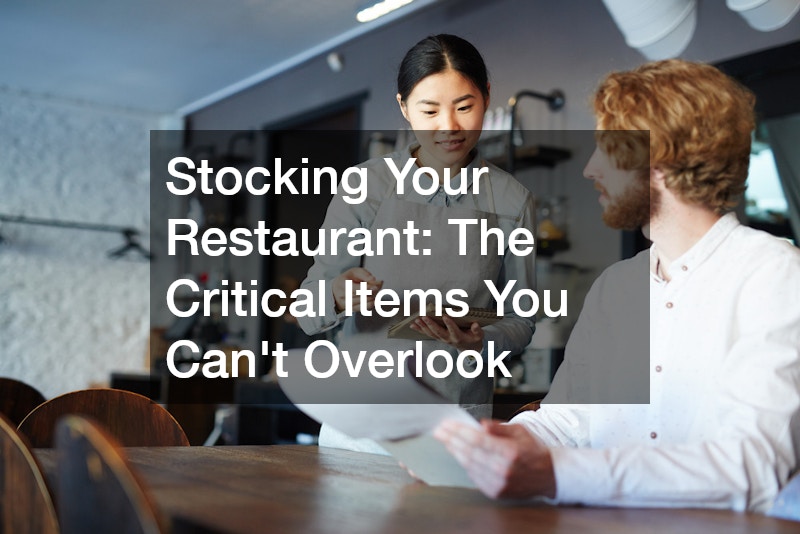
Stocking a restaurant is about much more than filling shelves with ingredients or keeping utensils within reach. Behind every smoothly run dining establishment is a carefully curated selection of tools, equipment, and supplies that make daily operations efficient, safe, and consistent. From small eateries to large-scale restaurants, having the right items on hand ensures staff can work effectively, orders are fulfilled quickly, and customers receive a seamless dining experience. Ignoring these essentials can lead to chaos in the kitchen, delays in service, or even safety hazards, which can affect both reputation and revenue.
Many restaurant owners focus heavily on food supplies, but the reality is that operational efficiency depends equally on other items. Storage solutions, reliable power sources, effective communication tools, and properly maintained equipment all play a role in creating a functional and profitable establishment. The right combination of these items allows staff to focus on what matters most: preparing delicious meals and providing excellent customer service. In addition, restaurants that prioritize organization, safety, and sustainability often enjoy lower operating costs and a better overall dining environment.
This article will guide restaurant owners through the critical items they cannot overlook when stocking their establishments. From organizing storage cabinets to sourcing wholesale ingredients, each element serves a specific purpose in maintaining smooth operations. Whether it’s ensuring knives are consistently sharp, investing in a generator for emergency power, or creating a custom sign to attract customers, the right tools make all the difference. Additionally, specialized considerations for various cuisines, including Chinese, Mexican, and other Asian-inspired dishes, highlight the importance of understanding the unique needs of your menu.
By taking a strategic approach to stocking, restaurants can avoid common pitfalls such as running out of key ingredients, misplacing essential tools, or failing to meet customer expectations. Each section of this guide dives into one critical item, explaining why it matters and how it contributes to operational success. Owners and managers can gain actionable insights to optimize efficiency, reduce waste, and enhance both kitchen and front-of-house performance. Ultimately, stocking a restaurant effectively is about anticipating needs, planning ahead, and making informed choices about the equipment, ingredients, and supplies that will keep your establishment running smoothly every day.
With these considerations in mind, restaurant owners can approach stocking not as a chore but as a strategic investment in their business’s success, ensuring their kitchen is equipped, their staff is prepared, and their customers leave satisfied.
Organize Storage Cabinets
Efficient storage is one of the most overlooked aspects of running a restaurant. Proper organization ensures that ingredients, utensils, and small appliances are easy to find, reducing time spent searching and minimizing the risk of accidents. Commercial kitchens are fast-paced environments where efficiency can directly impact service quality and customer satisfaction. Having designated storage areas for different items, from dry goods to cleaning supplies, promotes a smooth workflow and helps maintain a clean, professional kitchen environment.
Using high-quality commercial storage cabinets provides both durability and accessibility. Adjustable shelving, secure locking systems, and easy-to-clean surfaces ensure that everything from pantry items to specialty equipment is protected and easy to access. Investing in the right cabinets also maximizes space, allowing a busy kitchen to store more efficiently without clutter. For example, storing bulk ingredients in clearly labeled bins within commercial storage cabinets can prevent spoilage and keep your kitchen running smoothly during peak hours.
Choose a Generator

Restaurants rely on electricity for cooking, refrigeration, and point-of-sale systems. Power outages can halt operations, damage food supplies, and frustrate customers. Installing a backup generator ensures that your restaurant can continue operating during unexpected blackouts. Choosing the right generator is crucial, as it must be powerful enough to support all essential systems without overloading or risking failure.
Partnering with reputable generator companies allows restaurant owners to select the best solution for their specific needs. These companies often offer guidance on size, fuel type, and maintenance requirements. For instance, a mid-sized restaurant may need a generator that supports refrigeration units, ovens, and lighting simultaneously. Proper installation and regular maintenance ensure reliable performance, giving staff peace of mind and preventing costly interruptions in service.
Set Up Restaurant Phones
Communication is vital in a busy restaurant environment. Whether handling reservations, coordinating deliveries, or taking customer calls, phones are an essential tool for staff efficiency and customer satisfaction. Poor phone systems can lead to missed orders, confused communication between front and back-of-house staff, and frustrated patrons. Having a reliable system in place helps streamline daily operations and ensures that your restaurant runs smoothly.
Selecting the right phones for restaurants involves considering both functionality and durability. Multi-line systems allow staff to handle multiple calls simultaneously, while features like voicemail, call forwarding, and speakerphones improve workflow. Durable phones can withstand the busy restaurant environment, including exposure to spills and frequent handling. By investing in a professional phone system, restaurants can maintain effective communication internally and externally, which directly contributes to a better customer experience.
Sharpen Your Knives

Sharp knives are essential for food preparation and kitchen safety. Dull blades not only slow down prep time but also increase the risk of injury, as chefs may apply more force to cut through ingredients. Maintaining knives through regular sharpening ensures consistent performance, improves efficiency, and allows kitchen staff to work safely and confidently.
Knife sharpening services or tools provide a reliable way to keep blades in optimal condition. Professional knife sharpening ensures that even high-quality chef’s knives maintain their edge, allowing for precise cuts and uniform portioning. In busy restaurants, keeping a schedule for knife sharpening prevents downtime during peak hours. For example, having a designated day each month to sharpen all kitchen knives ensures that staff always have reliable tools ready for service.
Stock Chinese Staples
For restaurants specializing in Chinese cuisine, keeping staple ingredients on hand is essential for authenticity and consistency. Staples like soy sauce, rice vinegar, sesame oil, and various sauces provide the foundation for many classic dishes. Without these essential items, it becomes difficult to maintain menu quality and meet customer expectations.
Stocking Chinese restaurants requires careful attention to ingredient quality and sourcing. Fresh vegetables, tofu, and specialty spices should be replenished regularly to ensure freshness. Additionally, traditional ingredients such as hoisin sauce or fermented black beans must be available to create signature dishes. Maintaining a well-organized stock of these staples allows chefs to prepare a variety of dishes without delay, enhancing efficiency and customer satisfaction.
Recycle Cooking Oil

Proper disposal and recycling of cooking oil is an often-overlooked but important aspect of running a sustainable restaurant. Regularly recycling oil prevents environmental damage, avoids clogged drains, and can reduce costs associated with disposal. Many restaurants now implement recycling programs to turn used oil into biofuel or other industrial products.
Cooking oil recycling services help restaurants manage large volumes of used oil safely and responsibly. These services often provide collection containers and schedule regular pick-ups to ensure oil is never stored unsafely on-site. For instance, restaurants that fry frequently can partner with a recycling company to convert hundreds of gallons of oil into renewable energy, reducing environmental impact and potentially providing small revenue streams through recycling incentives.
Create a Custom Sign
A restaurant’s exterior signage is one of the first impressions customers receive. A well-designed custom sign can attract attention, convey brand identity, and communicate professionalism. Beyond aesthetics, a sign helps customers find your restaurant and can influence first-time diners to step inside.
Investing in a custom sign tailored to your restaurant’s theme and target audience ensures maximum impact. Materials, lighting, and design all contribute to visibility and appeal. For example, a bright, illuminated sign for a late-night eatery can increase foot traffic, while an elegant wooden sign may enhance the atmosphere of a fine dining restaurant. A thoughtfully crafted custom sign serves as a powerful marketing tool that complements your overall branding strategy.
Source Mexican Ingredients

Authenticity is key for restaurants offering Mexican cuisine. Stocking traditional ingredients such as fresh corn tortillas, chili peppers, beans, and authentic spices allows chefs to prepare dishes that meet customer expectations. Without these core ingredients, it’s challenging to maintain flavor profiles and culinary integrity.
Sourcing Mexican ingredients involves finding reliable suppliers who offer consistent quality. Fresh produce, specialty cheeses, and traditional sauces should be ordered regularly to ensure menu items remain authentic. Partnering with wholesalers who specialize in Mexican cuisine can simplify ordering and provide a wider selection of ingredients, allowing chefs to experiment with traditional recipes and seasonal specials while maintaining consistency across the menu.
Supply Asian Cuisine
Restaurants serving Asian cuisine often require a variety of specialized ingredients, from noodles and rice to unique sauces and spices. Stocking these items in advance ensures chefs can prepare dishes quickly and maintain quality standards. Without proper ingredients, menu offerings may be limited, and customer satisfaction may decline.
Asian food restaurants benefit from sourcing ingredients from reputable suppliers who provide fresh and authentic products. Items such as miso paste, fish sauce, and specialty noodles should be replenished regularly. Efficient inventory management ensures that popular dishes are never delayed due to missing ingredients, while specialty items are kept in stock to support authentic menu creations. This approach allows restaurants to maintain consistency, authenticity, and high customer satisfaction.
Buy Wholesale Ingredients
Buying ingredients in bulk from wholesale suppliers is an effective way to manage costs and maintain adequate stock levels. Restaurants that plan ahead and purchase wholesale ingredients can ensure they have enough for busy periods while minimizing price fluctuations. This approach supports both menu variety and consistent quality.
Wholesale ingredients offer advantages in both quantity and quality. Restaurants can access large shipments of staples such as flour, rice, oils, and spices, often at lower costs than retail. Partnering with trusted wholesalers allows for predictable deliveries and consistent product availability. For example, a restaurant that relies on large quantities of rice and beans can maintain uninterrupted service and reduce the risk of running out of essential items during peak dining hours.
Stocking a restaurant successfully requires more than simply purchasing ingredients or ordering standard kitchen tools. It involves careful planning, thoughtful selection, and ongoing maintenance of both essential supplies and operational equipment. From organizing storage cabinets to ensuring knives remain sharp, each critical item plays a vital role in maintaining efficiency, safety, and quality in a restaurant environment. Neglecting even one area can lead to service delays, higher costs, and diminished customer experiences.
Commercial storage cabinets form the backbone of an organized kitchen, allowing staff to locate ingredients and tools quickly. Investing in a backup generator ensures operations continue uninterrupted during power outages, while reliable phones for restaurants streamline communication and improve customer service. Proper knife sharpening maintains safety and efficiency, preventing accidents and allowing chefs to work effectively. For specialized cuisines, stocking Chinese staples, sourcing Mexican ingredients, and supplying other Asian food essentials ensures menu authenticity and consistency, helping restaurants meet customer expectations.
Sustainability and environmental responsibility are increasingly important in modern dining. Cooking oil recycling programs reduce waste and promote eco-friendly practices, while custom signs enhance visibility and draw in new customers. Buying wholesale ingredients enables restaurants to manage costs while maintaining quality and availability, allowing for both menu variety and operational stability. Each of these elements contributes to a restaurant’s overall success, from the kitchen to the front-of-house.
By prioritizing these critical items, restaurant owners and managers can anticipate challenges before they arise and create a smoother workflow for staff. Organized storage, reliable communication, authentic ingredients, and properly maintained tools all contribute to a seamless dining experience. Beyond operational benefits, these practices support long-term growth, brand reputation, and customer satisfaction.
Ultimately, stocking a restaurant is an investment in efficiency, safety, and quality. Every item, from essential equipment to specialty ingredients, plays a role in ensuring daily operations run smoothly. By taking a comprehensive, strategic approach to stocking, restaurants can reduce waste, prevent interruptions, and consistently deliver high-quality meals to their customers. In a competitive industry, attention to these critical items can make the difference between a good restaurant and a truly exceptional one, demonstrating that careful planning and investment in essentials are key to long-term success.