
A single missed delivery window or a poorly placed equipment pad can quietly cost a project days or even weeks, long before anyone notices a problem on the production floor. Most people assume downtime comes from broken machines or supply shortages, but the real culprit is often the groundwork laid weeks earlier when the site itself was planned. Understanding how logistics, structure, and basic site services connect can help you spot risks before they turn into expensive delays. This article walks through the overlooked details that quietly determine whether a project stays on schedule or grinds to a halt.
Moving Equipment and Materials Without Losing Weeks
Before any foundation is poured or structure is raised, someone has to get machinery, raw materials, and furnishings onto the site in the right order and at the right time. Many project delays trace back to this early scheduling stage, when trucks arrive before a staging area is ready or materials get delivered out of sequence. Hiring experienced commercial movers to handle the transport and placement of heavy inventory, office equipment, and furnishings can prevent the pileup of idle trucks and confused crews that often stalls a project in its first week.
Coordinating these moves takes more than a delivery date; it requires a clear site map showing where each load gets dropped and in what order. Teams that skip this step often find themselves reshuffling pallets and machinery days later, burning labor hours that were never budgeted.
- Confirm site access routes can handle delivery truck size and weight before scheduling arrivals
- Stagger deliveries so materials needed last don’t block materials needed first
- Designate a single point of contact to receive and log incoming shipments
Structural Steel Choices That Affect Project Timelines
The skeleton of any industrial or commercial building shapes how quickly the rest of construction can proceed, and decisions made here ripple through every later phase. Bar joists, the lightweight steel trusses that support roofs and floors, are a common choice because they are faster to install than solid beams and reduce the overall steel tonnage needed. When these components are ordered without accounting for lead times, the entire framing schedule can stall while crews wait on a shipment that should have been ordered months earlier.
Site logistics and structural planning are more connected than most people realize, since the layout of a yard determines whether long steel members can even be delivered and lifted into place. A narrow access road or a lot packed with other materials can turn a straightforward steel delivery into a multi-day headache.
- Order long-lead structural components as early as possible in the planning phase
- Confirm crane access and clearance before steel delivery dates are locked in
- Keep a clear laydown area near the structure so pieces can be sorted before lifting
Keeping Essential Site Utilities Running Smoothly
Water and waste management rarely get attention until something goes wrong, but a failure in either system can shut down an entire crew faster than a missing part ever could. A clogged toilet trailer or an overflowing tank doesn’t just inconvenience workers; it triggers OSHA sanitation concerns that can halt operations until the issue is resolved. On sites without a connection to municipal sewer lines, commercial septic system pumping needs to be scheduled proactively rather than reactively, since a backed-up system can force an evacuation of the work area for health and safety reasons.
The right frequency depends on crew size and tank capacity, but a good rule of thumb is to pump every one to two weeks for a mid-sized crew using a standard holding tank, adjusting upward during peak staffing periods or extended shifts. Waiting for visible warning signs like slow drainage or odor is a gamble that rarely pays off, since those symptoms often show up right before a full system failure. Smart site managers build pumping schedules into their logistics calendar the same way they schedule material deliveries.

Many also keep a backup vendor on call in case a primary provider is delayed by weather or route congestion, since a single missed pumping date can cascade into a multi-day disruption. Pairing this with a simple log of tank capacity, usage rates, and last service date gives site leads an early warning system instead of a reactive scramble.
Ignoring routine maintenance on these systems is one of the most common ways a project loses an entire day without warning. Portable restrooms, handwash stations, and gray water tanks all run on service schedules, and once a provider falls behind by even a few days, the risk of an overflow climbs fast on an active site with dozens of workers. A single overflow event can mean cleanup crews, odor complaints from neighboring businesses, and a temporary halt to all nearby work until the area is deemed safe again. Depending on local health codes, that halt can last anywhere from a couple of hours to a full shift while waste is contained and the surrounding area is sanitized and inspected.
The ripple effects often extend beyond the immediate cleanup. Crews working in the affected zone may need to be reassigned or sent home, equipment staged nearby may require relocation, and supervisors are left documenting the incident for safety records. A simple fix is tying utility servicing to the same calendar used for equipment inspections, so tanks are pumped and restocked before they ever approach capacity rather than after a complaint comes in.
- Schedule pumping based on crew size and daily usage, not just a calendar guess — a 20-person crew will fill a standard tank far faster than a 5-person team
- Track usage patterns weekly during peak phases, since overtime shifts and weekend work can throw off a standard pumping schedule
- Keep service contact information posted at the site office for emergencies, including backup vendors in case your primary provider can’t respond same-day
- Inspect tanks seasonally, since freezing and heavy rain both affect performance
- In cold months, check for ice buildup around valves and lines that can cause backups or cracked components
- During wet seasons, watch for ground saturation that can shift or tilt units, leading to leaks or spills
Providing Adequate Restroom Facilities for Crews
It sounds like a minor detail until it isn’t: a site without enough functioning restrooms will see productivity drop within hours, not days. Bathroom trailer rentals have become a standard solution for larger sites because they offer a cleaner, more reliable alternative to single-unit portable toilets, especially when dozens of workers are on-site for extended shifts. Crews that have to travel off-site to find a restroom lose far more time than the facility rental itself would ever cost.
Facility planning also affects morale and retention, two things that directly influence how quickly a job gets done. Workers who feel their basic needs are met tend to stay focused and spend less time negotiating informal breaks.
- Plan one restroom unit for every 10 to 15 workers on an eight-hour shift
- Place units within a short walk of the main work area to limit lost time
- Schedule servicing on a fixed weekly cadence rather than waiting for complaints
Handling Jobsite Injuries Without Losing Momentum
Even well-run sites experience accidents, and how a company responds in the first 24 hours often determines whether the incident becomes a brief interruption or a long legal entanglement. Workers who are injured on-site sometimes need to consult a personal injury attorney to understand their rights, particularly when the injury involves third-party equipment or a subcontractor’s negligence. Having clear incident reporting procedures in place protects both the injured worker and the project timeline.
Delays tend to multiply when documentation is incomplete or inconsistent, since insurance claims and legal reviews can stretch on for months without solid records. A site that keeps thorough logs of equipment checks, safety briefings, and incident reports gives everyone involved a faster path to resolution.
- Document the scene with photos and witness statements immediately after any incident
- Keep copies of equipment inspection records readily accessible
- Review safety protocols quarterly to catch gaps before they cause injuries
Addressing Vehicle Incidents Involving Site Traffic
Job sites generate a surprising amount of vehicle traffic, from delivery trucks to personal cars in makeshift parking areas, and collisions do happen more often than people expect. When a vehicle incident occurs on or near a site, workers and visitors alike may need guidance from the best car accident attorney available in their area to sort out liability between drivers, the site owner, and any contracted delivery service. These cases can get complicated quickly when multiple parties and insurance policies are involved.
Preventing these incidents in the first place is far cheaper than resolving them afterward. Clear signage, designated traffic lanes, and visible speed limits around a site cut down on the confusion that leads to most minor collisions.
- Mark pedestrian walkways separately from vehicle and delivery lanes
- Post speed limits and enforce them consistently across all site traffic
- Require high-visibility vests for anyone walking near active vehicle routes
Renting Heavy Machinery Instead of Buying It Outright
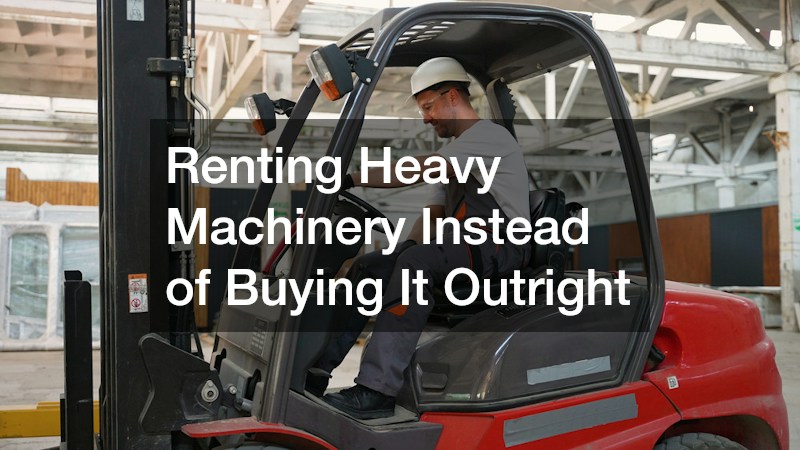
Few companies can justify owning every piece of machinery a project might require, which is why heavy equipment rental has become the default approach for most mid-size and large construction efforts. Renting allows a project manager to match machinery to the specific phase of work, bringing in excavators for early grading and switching to lifts once framing begins, without the overhead of maintaining a full fleet year-round. The flexibility also means a breakdown doesn’t halt the project, since a rental company can typically swap out a malfunctioning unit faster than an in-house repair crew could fix it.
Timing these rentals correctly is its own logistical challenge. Reserving equipment too early means paying for idle machinery, while reserving too late risks availability shortages during busy seasons when every other site in the region wants the same equipment.
- Book rentals at least two to three weeks ahead during peak construction season
- Match equipment specifications to the actual task rather than renting oversized units
- Confirm delivery and pickup windows align with the project’s daily schedule
Choosing Open Span Structures for Flexible Layouts
The internal layout of a building affects far more than aesthetics; it determines how materials move, how machinery fits, and how future changes get made without a full renovation. Clear span buildings, which use roof trusses designed to eliminate interior support columns, give project planners wide open floor space that can be reconfigured as operational needs shift. This open design is especially useful for warehouses, agricultural facilities, and manufacturing plants where large equipment needs room to maneuver freely.
Choosing this structural style early in the design process also simplifies logistics during construction itself. Without interior columns to work around, crews can move materials and equipment through the space more efficiently, cutting down on the staging delays that slow down more traditionally framed buildings.
- Evaluate ceiling height and clear span width against the largest equipment the space will house
- Factor in future reconfiguration needs before finalizing the structural design
- Compare insulation and ventilation options early since open designs handle climate control differently

Managing Construction Debris Before It Piles Up
Waste management is one of the most underestimated logistics issues on any site, and it compounds quickly if ignored. A single dumpster rental placed in the wrong location can create as much of a bottleneck as a missing piece of equipment, since crews end up walking debris across the entire site just to reach it. Planning dumpster placement alongside the rest of the site layout, rather than as an afterthought, keeps walking paths clear and waste removal efficient.
Debris that accumulates near active work areas also creates safety hazards, from tripping risks to blocked emergency exits. A site that schedules regular waste pickups and keeps containers appropriately sized for the volume of debris generated each week avoids both the clutter and the fire code violations that can shut down work entirely.
- Place containers near high-debris areas but clear of main walkways and exits
- Size the container to the project’s weekly debris volume, not just a rough estimate
- Schedule pickups before containers reach capacity to avoid overflow violations
Resolving Disputes That Arise From Site Accidents
When injuries or property damage do occur despite every precaution, the legal aftermath can become its own source of project delay if not handled properly. Personal injury lawyers often get involved when disputes arise over liability between contractors, equipment suppliers, and site owners, and having legal counsel familiar with construction sites can speed up resolution considerably. Projects that drag through prolonged litigation often see morale and momentum suffer even after the physical work resumes.
Having a clear chain of responsibility documented from the start of the project makes these situations far easier to resolve. Contracts that specify which party is liable for which type of incident reduce the ambiguity that typically extends legal disputes.
- Keep contracts and subcontractor agreements updated with clear liability language
- Maintain a dedicated file for every incident report generated on-site
- Consult legal counsel early rather than after a dispute has escalated
Production downtime rarely announces itself in advance; it builds quietly from small logistical oversights that seem minor until they stack up into real delays. Reviewing your site’s transportation plan, structural choices, utility schedules, and safety protocols before breaking ground is the single most effective way to protect your timeline. Take the time now to walk through each of these areas with your project team, and treat it as a recurring check rather than a one-time task. A site that runs smoothly on the logistics level is one that keeps production moving when it matters most.