Commercial property ownership and facility management require balancing capital investment, operational efficiency, and risk mitigation. Whether overseeing a retail shopping center, an industrial warehouse, or a multi-tenant office building, maintaining asset value requires a disciplined, structured strategy. A deferred maintenance task left unaddressed can quickly snowball into structural damage, lost tenant revenue, and compromised safety.
A successful commercial renovation or maintenance plan relies on a clear understanding of building lifecycles, proactive vendor management, and logical project phasing. Aligning site work and prep, structural fortification, exterior curb appeal, and interior environmental health minimizes disruption to daily business operations while maximizing return on investment. This guide breaks down every step of commercial property maintenance and renovation to help facility managers protect their physical assets and optimize operational budgets.
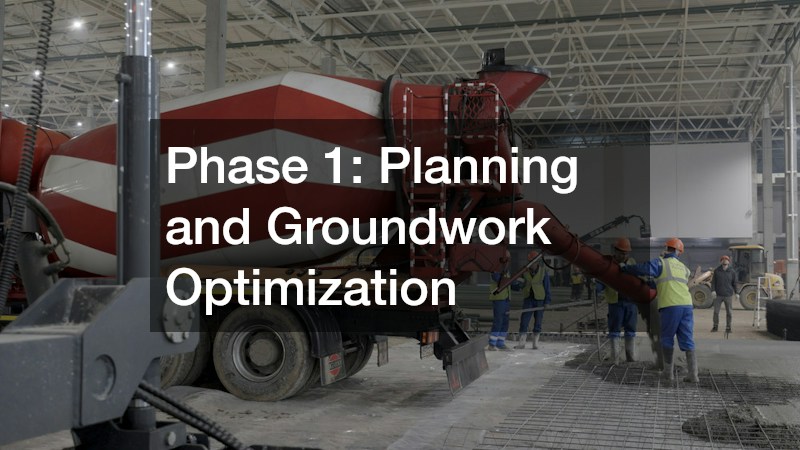
Phase 1: Planning and Groundwork Optimization
The journey of a successful capital improvement project begins long before the rumbling of heavy machinery can be heard on the premises. Detailed pre-construction planning lays the foundation for a project where timelines remain firm, budgetary limitations are respected, and all civil engineering requirements are meticulously fulfilled. This initial phase is crucial as it sets the stage for a smooth transition to actual construction activities.
Developing a Phased Capital Improvement Plan
Developing a robust capital improvement plan is pivotal and begins with a thorough condition assessment of the entire site. As property managers undertake the responsibility of auditing every physical component of the facility, they categorize the necessary updates into several groups. These categories include immediate safety hazards that need urgent attention, short-term maintenance issues that require prompt resolution, and projected multi-year capital replacements aimed at sustaining the facility’s functionality far into the future.
-
Establish clear project benchmarks: To ensure continuity and minimal disruption, it is essential to group renovation tasks into well-defined, distinct phases. This strategy allows the site to remain operational throughout the renovation period, thus avoiding complete shutdowns that can have adverse effects on functionality and revenue.
-
Build contingency reserves: Given the unpredictable nature of large-scale construction projects, it is wise to allocate fifteen to twenty percent of the total project budget specifically to cover unforeseen sub-surface issues or structural challenges that may arise. This financial cushion is invaluable in avoiding cost overruns and project delays.
-
Audit regulatory requirements: Ensuring that all proposed updates are in strict alignment with local zoning laws, accessibility mandates, and municipal environmental guidelines is not merely an obligation but a proactive measure to avoid legal complications and ensure sustainability.
Preparing the Site for Major Renovation Logistics
Prior to the commencement of physical renovations, a comprehensive organization of site access and traffic logistics is pivotal. This preparation minimizes disruptions to ongoing business operations and the daily life of adjacent properties. A seamless coordination between general contractors and facility managers ensures that heavy equipment is strategically placed away from areas with dense tenant foot traffic, thus guaranteeing safety and operational continuity.
A well-prepared site facilitates an environment that is conducive to efficient construction work, providing a clean and controlled setting for heavy equipment operation, material deliveries, and subcontractor staging. The preventive measures include clearing brush, setting up temporary access roads, laying down ground protection mats, and accurately marking underground utilities. These steps are crucial in preventing accidental service interruptions, thereby avoiding costly delays during the initial, critical phases of construction.
Deep Ground Operations and Structural Foundation Clearing
Expanding a commercial footprint or addressing significant grade issues necessitates extensive deep earthwork in order to stabilize the ground effectively. This involves sub-base compaction, soil remediation, and utility trenching, which together lay the groundwork for all future structural advancements. Such carefully executed groundwork is key to the success of the project.
Engaging the services of experienced commercial excavation companies ensures that heavy earthmoving, soil retention, and deep utility trenching are carried out safely and in accordance with rigorous engineering specifications. Proper grading is essential in preventing undesirable water accumulation near building foundations. By effectively channeling runoff away from primary structures, the risk of baseline erosion is significantly diminished, safeguarding the long-term stability and integrity of the construction site.
Phase 2: Structural Integrity and Building Envelope Upgrades
After completing the foundational groundwork, the next stage of development involves the crucial task of enhancing the building’s structure and outer shell, known as the building envelope. This phase primarily focuses on protecting the weather barrier and reinforcing the structural framework. These steps are essential in ensuring that the interior of the property remains secure from adverse weather conditions, remains dry, and retains its energy efficiency over time.
Heavy Overhead Work and Mechanical System Staging
This segment involves the significant upgrading of major mechanical systems, which include large-scale HVAC units, industrial chillers, and the addition of structural steel. Accomplishing these upgrades demands using specialized equipment and adhering to stringent safety protocols to ensure both safety and efficiency. The process of heavy overhead lifts involves precise activities such as careful rigging, exact load calculations, and thorough site isolation to mitigate any potential hazards.
Hiring a certified commercial crane service is a critical part of providing the necessary heavy-lifting infrastructure. Such services facilitate the safe lifting of heavy rooftop mechanical units, steel beams, and pre-cast concrete panels. Timing the coordination of crane maneuvers during off-peak hours or weekends is a strategic decision that minimizes risks to tenants and reduces disruptions in parking lot activities.
Fortifying the Roof and Upper Building Envelope
The integrity of a commercial roof is vital, as a deteriorating roof can compromise the entire interior asset. Engaging in the inspection, repair, or complete replacement of aging roof membranes represents one of the most lucrative investments for a commercial property owner, given its impact on long-term property sustainability and value.
-
Select the right membrane system: It is essential to assess various roofing options such as Thermoplastic Polyolefin (TPO), Ethylene Propylene Diene Monomer (EPDM), and built-up roofing. The evaluation should be based on factors like regional climate conditions, the specific usage of the building, and the overarching thermal efficiency objectives to ensure the best fit.
-
Prioritize flashing and drainage: Ensuring that roof drains, scuppers, and edge flashings are effectively sealed is paramount to preventing water from pooling on the rooftop, which can lead to severe water damage and dampness within the building.
-
Schedule bi-annual inspections: Conducting thorough inspections of the roof surfaces in the spring and fall aids in early detection of issues such as membrane tears, accumulation of loose gravel, and clogged drains. Early identification and intervention prevent minor issues from escalating into significant repairs.
Collaboration with reputable commercial roofing companies guarantees benefits such as extended warranty coverage, proper insulation installation, and strict adherence to local building energy codes. These professional roofers can also apply advanced reflective roof coatings, which have the potential to significantly lower cooling costs during the summer months by reducing heat absorption.
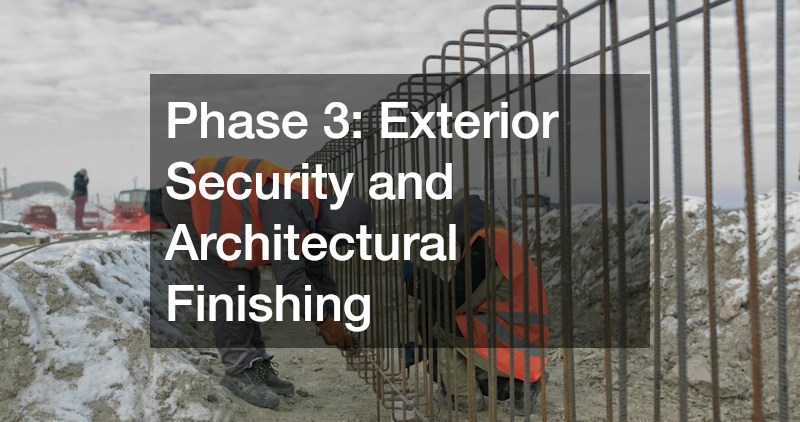
Phase 3: Exterior Security and Architectural Finishing
The exterior boundary and facade serve two vital functions: establishing perimeter security and creating a positive aesthetic impression for visitors, clients, and prospective tenants.
Establishing Perimeter Security and Access Control
Securing the physical boundary of a commercial site deters unauthorized access, protects equipment stored outdoors, and manages vehicular access points. Modern perimeter security combines physical barriers with automated gate technology.
Working with reputable commercial fence companies allows property managers to select heavy-duty chain link, ornamental iron, or high-security paneling tailored to the facility’s security profile. Automated sliding gates, integrated keycard access, and anti-crash bollards add layered protection to loading docks and restricted parking areas.
Durable Architectural Coatings for Exterior Metals
Metal fixtures, gates, railings, structural supports, and exterior window frames face constant exposure to ultraviolet rays, rain, and temperature fluctuations. Standard paint often flakes or fades within a few seasons, leading to corrosion and frequent repainting costs.
Applying commercial powder coating to exterior metal surfaces provides a dense, durable finish that resists chipping, scratching, and chemical degradation far better than conventional liquid paint. This electrostatically applied, heat-cured process significantly extends the lifespan of outdoor architectural metalwork, keeping the property looking polished while cutting long-term maintenance costs.
Phase 4: Ground-Level Paving, Logistics, and Curb Appeal
Vehicular traffic areas and parking facilities are often the first physical touchpoint for visitors. Maintaining clear, smooth, and clean paved surfaces protects vehicles from damage and reduces slip-and-fall liabilities.
Resurfacing and Extending the Life of Paved Surfaces
Asphalt driveways and parking lots degrade under heavy vehicle weight, oil spills, and freeze-thaw cycles. Addressing surface cracks and base failures early prevents total pavement collapse.
-
Conduct routine crack sealing: Seal hairline cracks quickly to prevent moisture from penetrating the sub-base and creating potholes.
-
Plan overlay cycles: Apply an asphalt overlay every ten to fifteen years to restore smoothness and structural integrity without a full tear-out.
-
Keep striping high-contrast: Re-stripe parking stalls, crosswalks, and ADA-compliant spaces regularly to maintain clear traffic patterns.
Utilizing specialized commercial asphalt paving services ensures proper asphalt compaction, correct drainage slopes, and durable asphalt mixes designed to handle heavy delivery trucks and daily vehicular traffic.
Ongoing Grounds Care and First-Impressions Management
Keeping paved areas clean is as important as structural repairs. Accumulated gravel, trash, oil residue, and fallen leaves deteriorate asphalt over time and create safety hazards for pedestrians.
Hiring a professional parking lot sweeping service keeps driving surfaces, loading docks, and parking bays free of debris, sand, and litter. Regular mechanical sweeping prevents abrasive materials from grinding down asphalt sealcoats, keeps storm drains free of clogs, and preserves a clean, welcoming exterior appearance.
Phase 5: Interior Protection, Flooring, and Environmental Health
Upgrading a commercial interior requires balancing aesthetic appeal, physical durability, and health compliance. Interior investments should focus on high-traffic durability and occupant well-being.
Installing High-Performance Interior Flooring Systems
Commercial and industrial floors face severe wear from foot traffic, forklift movement, chemical spills, and heavy machinery. Bare concrete surfaces absorb stains, crack under heavy loads, and create fine concrete dust that damages sensitive equipment.
Applying heavy-duty epoxy coatings to interior concrete floors creates a seamless, non-porous, and chemical-resistant barrier that protects the slab. These specialized floor treatments improve light reflectivity, enhance slip resistance, and simplify daily maintenance in warehouses, mechanical rooms, processing plants, and commercial kitchens.
Safeguarding Indoor Air Quality and Environmental Compliance
Hidden moisture intrusion behind walls, inside HVAC ductwork, or beneath flooring can lead to microbial growth. Mold compromises indoor air quality, triggers health complaints, and exposes property owners to severe legal liability.
-
Audit high-risk water zones: Routinely inspect restrooms, janitorial closets, roof transition points, and basement levels for moisture accumulation.
-
Control humidity levels: Maintain indoor relative humidity below fifty percent using properly sized HVAC systems and commercial dehumidifiers.
-
Act quickly on water leaks: Dry out water intrusions within twenty-four to forty-eight hours to stop mold spores from germinating.
Scheduling professional commercial mold testing prior to starting major demolition or wall rebuilds provides baseline environmental safety data. If hidden mold is discovered, certified technicians can isolate the affected zones, safely remediate contamination, and issue clearance documentation before construction resumes.
Phase 6: Post-Renovation Maintenance Schedules
Completing a major renovation project is a major milestone, but ongoing asset preservation requires a structured maintenance routine. Setting clear inspection schedules and holding vendors accountable protects newly renovated components.
Creating a Preventative Facility Maintenance Calendar
Transitioning from reactive repairs to a disciplined preventative schedule drastically extends the service life of building systems. Facility managers should create a centralized dashboard tracking daily, monthly, seasonal, and annual tasks.
Organizing maintenance tasks into fixed operational intervals prevents costly emergency call-outs and allows facility teams to plan annual capital expenses predictably.
Vendor Relationship and SLA Management
Outsourcing specialized facility maintenance tasks requires clear communication, detailed scopes of work, and strict service level agreements (SLAs).
-
Define precise scopes of work: Clearly document exact expectations, response times, and performance metrics in every vendor contract.
-
Require proof of insurance: Verify that all third-party contractors carry current general liability and workers’ compensation coverage.
-
Maintain digital service records: Keep organized records of work orders, inspection reports, and warranty certificates for every major property system.
Building long-term partnerships with vetted, reliable contractors ensures rapid response times during site emergencies and guarantees high-quality workmanship on future capital projects.
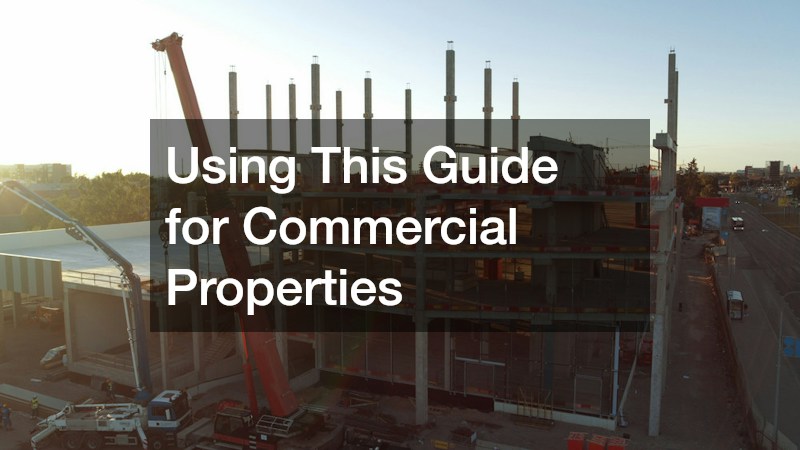
Using This Guide for Commercial Properties
Managing a commercial property requires a forward-thinking strategy that blends pre-construction planning, structural reinforcement, exterior ground care, and interior environmental safety. By breaking large-scale capital projects into manageable phases and prioritizing preventative upkeep, facility managers can safeguard building infrastructure, control long-term operating costs, and enhance overall property value. Maintaining an active, disciplined oversight program ensures that physical assets remain secure, compliant, and profitable for years to come.
Commercial property ownership and facility management require balancing capital investment, operational efficiency, and risk mitigation. Whether overseeing a retail shopping center, an industrial warehouse, or a multi-tenant office building, maintaining asset value requires a disciplined, structured strategy. A deferred maintenance task left unaddressed can quickly snowball into structural damage, lost tenant revenue, and compromised safety.
A successful commercial renovation or maintenance plan relies on a clear understanding of building lifecycles, proactive vendor management, and logical project phasing. Aligning site work and prep, structural fortification, exterior curb appeal, and interior environmental health minimizes disruption to daily business operations while maximizing return on investment. This guide breaks down every step of commercial property maintenance and renovation to help facility managers protect their physical assets and optimize operational budgets.
Phase 1: Planning and Groundwork Optimization
The journey of a successful capital improvement project begins long before the rumbling of heavy machinery can be heard on the premises. Detailed pre-construction planning lays the foundation for a project where timelines remain firm, budgetary limitations are respected, and all civil engineering requirements are meticulously fulfilled. This initial phase is crucial as it sets the stage for a smooth transition to actual construction activities.
Developing a Phased Capital Improvement Plan
Developing a robust capital improvement plan is pivotal and begins with a thorough condition assessment of the entire site. As property managers undertake the responsibility of auditing every physical component of the facility, they categorize the necessary updates into several groups. These categories include immediate safety hazards that need urgent attention, short-term maintenance issues that require prompt resolution, and projected multi-year capital replacements aimed at sustaining the facility’s functionality far into the future.
-
Establish clear project benchmarks: To ensure continuity and minimal disruption, it is essential to group renovation tasks into well-defined, distinct phases. This strategy allows the site to remain operational throughout the renovation period, thus avoiding complete shutdowns that can have adverse effects on functionality and revenue.
-
Build contingency reserves: Given the unpredictable nature of large-scale construction projects, it is wise to allocate fifteen to twenty percent of the total project budget specifically to cover unforeseen sub-surface issues or structural challenges that may arise. This financial cushion is invaluable in avoiding cost overruns and project delays.
-
Audit regulatory requirements: Ensuring that all proposed updates are in strict alignment with local zoning laws, accessibility mandates, and municipal environmental guidelines is not merely an obligation but a proactive measure to avoid legal complications and ensure sustainability.
Preparing the Site for Major Renovation Logistics
Prior to the commencement of physical renovations, a comprehensive organization of site access and traffic logistics is pivotal. This preparation minimizes disruptions to ongoing business operations and the daily life of adjacent properties. A seamless coordination between general contractors and facility managers ensures that heavy equipment is strategically placed away from areas with dense tenant foot traffic, thus guaranteeing safety and operational continuity.
A well-prepared site facilitates an environment that is conducive to efficient construction work, providing a clean and controlled setting for heavy equipment operation, material deliveries, and subcontractor staging. The preventive measures include clearing brush, setting up temporary access roads, laying down ground protection mats, and accurately marking underground utilities. These steps are crucial in preventing accidental service interruptions, thereby avoiding costly delays during the initial, critical phases of construction.
Deep Ground Operations and Structural Foundation Clearing
Expanding a commercial footprint or addressing significant grade issues necessitates extensive deep earthwork in order to stabilize the ground effectively. This involves sub-base compaction, soil remediation, and utility trenching, which together lay the groundwork for all future structural advancements. Such carefully executed groundwork is key to the success of the project.
Engaging the services of experienced commercial excavation companies ensures that heavy earthmoving, soil retention, and deep utility trenching are carried out safely and in accordance with rigorous engineering specifications. Proper grading is essential in preventing undesirable water accumulation near building foundations. By effectively channeling runoff away from primary structures, the risk of baseline erosion is significantly diminished, safeguarding the long-term stability and integrity of the construction site.
Phase 2: Structural Integrity and Building Envelope Upgrades
After completing the foundational groundwork, the next stage of development involves the crucial task of enhancing the building’s structure and outer shell, known as the building envelope. This phase primarily focuses on protecting the weather barrier and reinforcing the structural framework. These steps are essential in ensuring that the interior of the property remains secure from adverse weather conditions, remains dry, and retains its energy efficiency over time.
Heavy Overhead Work and Mechanical System Staging
This segment involves the significant upgrading of major mechanical systems, which include large-scale HVAC units, industrial chillers, and the addition of structural steel. Accomplishing these upgrades demands using specialized equipment and adhering to stringent safety protocols to ensure both safety and efficiency. The process of heavy overhead lifts involves precise activities such as careful rigging, exact load calculations, and thorough site isolation to mitigate any potential hazards.
Hiring a certified commercial crane service is a critical part of providing the necessary heavy-lifting infrastructure. Such services facilitate the safe lifting of heavy rooftop mechanical units, steel beams, and pre-cast concrete panels. Timing the coordination of crane maneuvers during off-peak hours or weekends is a strategic decision that minimizes risks to tenants and reduces disruptions in parking lot activities.
Fortifying the Roof and Upper Building Envelope
The integrity of a commercial roof is vital, as a deteriorating roof can compromise the entire interior asset. Engaging in the inspection, repair, or complete replacement of aging roof membranes represents one of the most lucrative investments for a commercial property owner, given its impact on long-term property sustainability and value.
-
Select the right membrane system: It is essential to assess various roofing options such as Thermoplastic Polyolefin (TPO), Ethylene Propylene Diene Monomer (EPDM), and built-up roofing. The evaluation should be based on factors like regional climate conditions, the specific usage of the building, and the overarching thermal efficiency objectives to ensure the best fit.
-
Prioritize flashing and drainage: Ensuring that roof drains, scuppers, and edge flashings are effectively sealed is paramount to preventing water from pooling on the rooftop, which can lead to severe water damage and dampness within the building.
-
Schedule bi-annual inspections: Conducting thorough inspections of the roof surfaces in the spring and fall aids in early detection of issues such as membrane tears, accumulation of loose gravel, and clogged drains. Early identification and intervention prevent minor issues from escalating into significant repairs.
Collaboration with reputable commercial roofing companies guarantees benefits such as extended warranty coverage, proper insulation installation, and strict adherence to local building energy codes. These professional roofers can also apply advanced reflective roof coatings, which have the potential to significantly lower cooling costs during the summer months by reducing heat absorption.
Phase 3: Exterior Security and Architectural Finishing
The exterior boundary and facade serve two vital functions: establishing perimeter security and creating a positive aesthetic impression for visitors, clients, and prospective tenants.
Establishing Perimeter Security and Access Control
Securing the physical boundary of a commercial site deters unauthorized access, protects equipment stored outdoors, and manages vehicular access points. Modern perimeter security combines physical barriers with automated gate technology.
Working with reputable commercial fence companies allows property managers to select heavy-duty chain link, ornamental iron, or high-security paneling tailored to the facility’s security profile. Automated sliding gates, integrated keycard access, and anti-crash bollards add layered protection to loading docks and restricted parking areas.
Durable Architectural Coatings for Exterior Metals
Metal fixtures, gates, railings, structural supports, and exterior window frames face constant exposure to ultraviolet rays, rain, and temperature fluctuations. Standard paint often flakes or fades within a few seasons, leading to corrosion and frequent repainting costs.
Applying commercial powder coating to exterior metal surfaces provides a dense, durable finish that resists chipping, scratching, and chemical degradation far better than conventional liquid paint. This electrostatically applied, heat-cured process significantly extends the lifespan of outdoor architectural metalwork, keeping the property looking polished while cutting long-term maintenance costs.
Phase 4: Ground-Level Paving, Logistics, and Curb Appeal
Vehicular traffic areas and parking facilities are often the first physical touchpoint for visitors. Maintaining clear, smooth, and clean paved surfaces protects vehicles from damage and reduces slip-and-fall liabilities.
Resurfacing and Extending the Life of Paved Surfaces
Asphalt driveways and parking lots degrade under heavy vehicle weight, oil spills, and freeze-thaw cycles. Addressing surface cracks and base failures early prevents total pavement collapse.
-
Conduct routine crack sealing: Seal hairline cracks quickly to prevent moisture from penetrating the sub-base and creating potholes.
-
Plan overlay cycles: Apply an asphalt overlay every ten to fifteen years to restore smoothness and structural integrity without a full tear-out.
-
Keep striping high-contrast: Re-stripe parking stalls, crosswalks, and ADA-compliant spaces regularly to maintain clear traffic patterns.
Utilizing specialized commercial asphalt paving services ensures proper asphalt compaction, correct drainage slopes, and durable asphalt mixes designed to handle heavy delivery trucks and daily vehicular traffic.
Ongoing Grounds Care and First-Impressions Management
Keeping paved areas clean is as important as structural repairs. Accumulated gravel, trash, oil residue, and fallen leaves deteriorate asphalt over time and create safety hazards for pedestrians.
Hiring a professional parking lot sweeping service keeps driving surfaces, loading docks, and parking bays free of debris, sand, and litter. Regular mechanical sweeping prevents abrasive materials from grinding down asphalt sealcoats, keeps storm drains free of clogs, and preserves a clean, welcoming exterior appearance.
Phase 5: Interior Protection, Flooring, and Environmental Health
Upgrading a commercial interior requires balancing aesthetic appeal, physical durability, and health compliance. Interior investments should focus on high-traffic durability and occupant well-being.
Installing High-Performance Interior Flooring Systems
Commercial and industrial floors face severe wear from foot traffic, forklift movement, chemical spills, and heavy machinery. Bare concrete surfaces absorb stains, crack under heavy loads, and create fine concrete dust that damages sensitive equipment.
Applying heavy-duty epoxy coatings to interior concrete floors creates a seamless, non-porous, and chemical-resistant barrier that protects the slab. These specialized floor treatments improve light reflectivity, enhance slip resistance, and simplify daily maintenance in warehouses, mechanical rooms, processing plants, and commercial kitchens.
Safeguarding Indoor Air Quality and Environmental Compliance
Hidden moisture intrusion behind walls, inside HVAC ductwork, or beneath flooring can lead to microbial growth. Mold compromises indoor air quality, triggers health complaints, and exposes property owners to severe legal liability.
-
Audit high-risk water zones: Routinely inspect restrooms, janitorial closets, roof transition points, and basement levels for moisture accumulation.
-
Control humidity levels: Maintain indoor relative humidity below fifty percent using properly sized HVAC systems and commercial dehumidifiers.
-
Act quickly on water leaks: Dry out water intrusions within twenty-four to forty-eight hours to stop mold spores from germinating.
Scheduling professional commercial mold testing prior to starting major demolition or wall rebuilds provides baseline environmental safety data. If hidden mold is discovered, certified technicians can isolate the affected zones, safely remediate contamination, and issue clearance documentation before construction resumes.
Phase 6: Post-Renovation Maintenance Schedules
Completing a major renovation project is a major milestone, but ongoing asset preservation requires a structured maintenance routine. Setting clear inspection schedules and holding vendors accountable protects newly renovated components.
Creating a Preventative Facility Maintenance Calendar
Transitioning from reactive repairs to a disciplined preventative schedule drastically extends the service life of building systems. Facility managers should create a centralized dashboard tracking daily, monthly, seasonal, and annual tasks.
Organizing maintenance tasks into fixed operational intervals prevents costly emergency call-outs and allows facility teams to plan annual capital expenses predictably.
Vendor Relationship and SLA Management
Outsourcing specialized facility maintenance tasks requires clear communication, detailed scopes of work, and strict service level agreements (SLAs).
-
Define precise scopes of work: Clearly document exact expectations, response times, and performance metrics in every vendor contract.
-
Require proof of insurance: Verify that all third-party contractors carry current general liability and workers’ compensation coverage.
-
Maintain digital service records: Keep organized records of work orders, inspection reports, and warranty certificates for every major property system.
Building long-term partnerships with vetted, reliable contractors ensures rapid response times during site emergencies and guarantees high-quality workmanship on future capital projects.
Using This Guide for Commercial Properties
Managing a commercial property requires a forward-thinking strategy that blends pre-construction planning, structural reinforcement, exterior ground care, and interior environmental safety. By breaking large-scale capital projects into manageable phases and prioritizing preventative upkeep, facility managers can safeguard building infrastructure, control long-term operating costs, and enhance overall property value. Maintaining an active, disciplined oversight program ensures that physical assets remain secure, compliant, and profitable for years to come.