
Running a successful business requires far more than a great product or service. Behind every thriving company is a network of systems, professionals, and physical assets that keep operations running smoothly day after day. These foundational elements—often working behind the scenes—are what truly determine whether a business can scale, adapt, and withstand challenges.
Many companies focus heavily on revenue generation while overlooking the infrastructure that supports it. This can lead to unexpected disruptions, costly repairs, compliance issues, or even reputational damage. From safeguarding digital assets to maintaining physical buildings and planning for long-term financial stability, every aspect plays a critical role.
This guide breaks down the essential infrastructure and support services companies need to operate efficiently and grow sustainably. Each section provides actionable strategies to help business owners make informed decisions, reduce risk, and build a more resilient organization.
Strengthening Digital Protection Against Modern Threats
In today’s digital-first environment, businesses face constant threats ranging from phishing attacks to data breaches. Even small companies are targets, making it essential to build a robust digital defense strategy.
Partnering with a local cyber security company can provide tailored protection that aligns with your specific risks, industry regulations, and operational needs. These professionals can monitor threats, implement safeguards, and respond quickly if issues arise.
At the same time, your online presence must remain strong and functional. Working with an SEO company ensures your website is optimized, accessible, and structured in a way that supports both visibility and security. A poorly maintained site can become vulnerable to attacks, harming both performance and credibility.
Beyond these foundational steps, businesses should also focus on building a culture of security awareness across their organization. Cybersecurity is not just an IT responsibility—it involves every employee who interacts with systems, data, and customers. Simple mistakes, such as weak passwords or clicking on malicious links, can open the door to significant breaches.
Additionally, companies should evaluate third-party tools and vendors they rely on. Many cyber incidents originate through compromised external platforms, making vendor risk management a critical part of your defense strategy. Regular audits and security reviews of these partners can help reduce exposure.
Actionable Tips for Digital Protection
- Conduct regular vulnerability assessments and penetration testing
- Install firewalls, endpoint protection, and intrusion detection systems
- Keep all software, plugins, and platforms updated
- Back up critical data daily and store it securely offsite
- Train employees to recognize phishing emails and suspicious activity
Strategic Considerations
- Develop a response plan for potential cyber incidents
- Limit access to sensitive data based on employee roles
- Monitor website performance and unusual traffic spikes
Investing in digital protection is not optional—it’s a core component of modern business infrastructure that safeguards your operations, customers, and reputation.
Protecting Your Business Legally and Financially

Legal and financial stability are the backbone of long-term business success. Without proper planning, even a profitable company can face significant setbacks due to disputes, compliance issues, or poor financial management.
A business attorney plays a vital role in helping companies navigate contracts, employment agreements, intellectual property rights, and regulatory compliance. Their guidance can prevent costly legal issues before they arise and ensure your business operates within the law.
On the financial side, a wealth management service helps business owners make informed decisions about investments, tax strategies, and long-term planning. This becomes especially important as your company grows and financial complexity increases.
Beyond these fundamentals, businesses should also focus on risk management and long-term resilience. Legal and financial planning are not one-time tasks—they require continuous evaluation as regulations change and your company evolves. For example, expanding into new markets, hiring additional employees, or launching new services can introduce new legal obligations and financial risks.
Insurance is another critical component that often gets overlooked. Proper coverage—such as liability, property, and professional insurance—can provide an added layer of protection against unexpected events. Additionally, regularly reviewing your financial statements and key performance indicators can help identify potential issues before they escalate into serious problems.
Actionable Tips for Legal and Financial Protection
- Review all contracts before signing, including vendor and partnership agreements
- Maintain clear documentation for all transactions and decisions
- Schedule regular legal audits to ensure compliance with current laws
- Develop a tax-efficient financial strategy
- Plan for succession or ownership transitions early
Strategic Considerations
- Separate personal and business finances to reduce liability
- Build a contingency fund for legal or financial emergencies
- Work with professionals who understand your industry
Taking a proactive approach to legal and financial planning ensures your business remains secure, compliant, and prepared for future growth.
Optimizing Logistics and Operational Efficiency
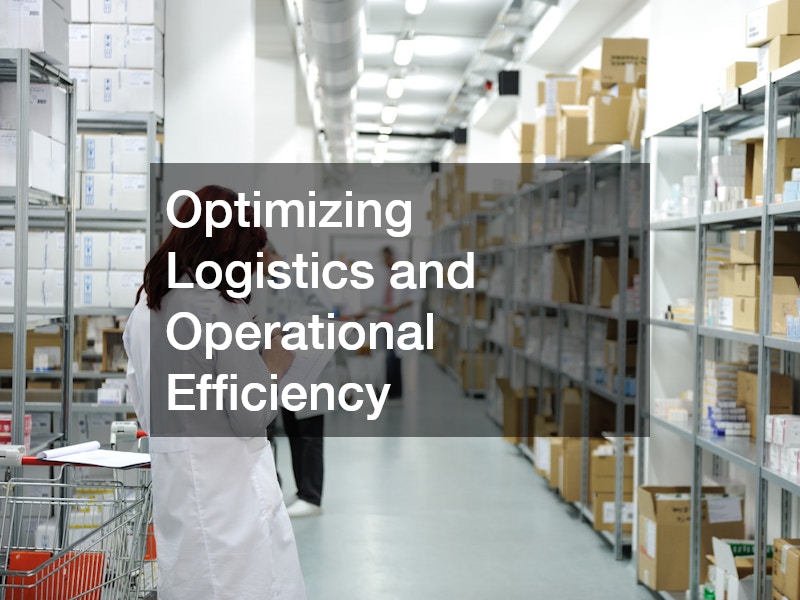
Efficient logistics are critical for businesses that rely on product movement, inventory management, or timely service delivery. Poor logistics can lead to delays, increased costs, and dissatisfied customers, which can quickly erode trust and market share. In an era where customers expect fast and reliable service, even minor inefficiencies can have a significant impact on your bottom line.
Distribution centers play a key role in streamlining operations by enabling faster order fulfillment, better inventory control, and reduced shipping costs. Strategically placed centers allow businesses to store products closer to key markets, reducing transit times and improving customer satisfaction. Selecting the right distribution partners and locations requires careful analysis of transportation networks, population density, and demand patterns.
Operational efficiency goes beyond storage and shipping—it also involves internal workflows. Properly trained staff, automated inventory systems, and integrated software solutions can drastically reduce errors and improve turnaround times. Businesses should regularly review their supply chain performance, identifying bottlenecks and areas where technology can improve visibility and control.
Actionable Tips for Improving Logistics
- Analyze your current supply chain for inefficiencies or bottlenecks
- Use inventory management software to track stock levels in real time
- Optimize delivery routes to reduce transportation costs
- Evaluate whether outsourcing logistics can improve efficiency
- Implement automated alerts for low stock or delayed shipments
Strategic Considerations
- Position distribution centers closer to key customer regions
- Build relationships with reliable shipping and logistics providers
- Prepare for seasonal demand fluctuations
- Incorporate contingency planning for disruptions such as weather, strikes, or supplier delays
- Regularly review contracts and service level agreements with logistics partners
By optimizing logistics, businesses can improve customer satisfaction, reduce operational costs, and create a scalable foundation for growth. A well-designed supply chain not only keeps operations smooth but also provides a competitive advantage in markets where speed, reliability, and efficiency are essential.
Maintaining Building Integrity to Avoid Costly Repairs
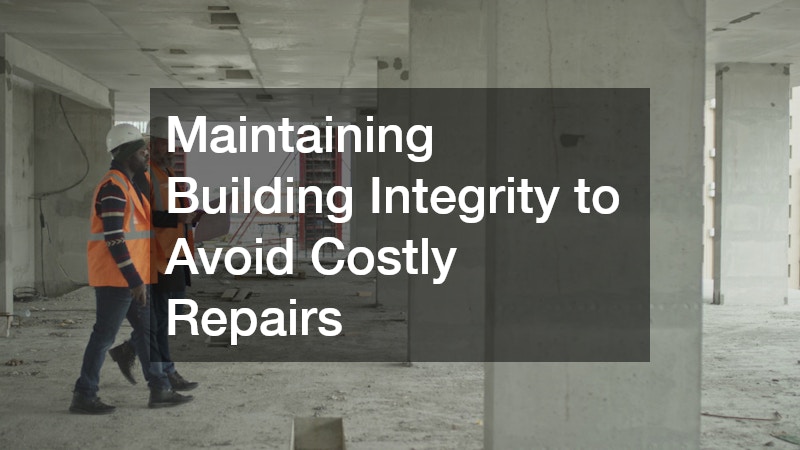
Your physical location is one of your most valuable assets, often representing a significant portion of your company’s total investment. Neglecting maintenance can lead to structural issues, safety hazards, and expensive repairs that disrupt operations. Beyond financial costs, poor building upkeep can negatively affect employee productivity, customer perception, and even regulatory compliance, particularly if safety codes or occupancy standards are not met.
Regular inspections and timely updates—such as siding services and roof replacement—are essential for preventing long-term damage. Siding protects your building from moisture, temperature fluctuations, and pests, while a sturdy roof shields interiors from leaks and weather-related deterioration. Investing in preventive maintenance not only extends the lifespan of your property but also helps avoid emergency repairs that can interrupt business operations and create unplanned expenses.
In addition to structural considerations, energy efficiency should be a focus. Poor insulation, outdated windows, or damaged roofing can increase heating and cooling costs, reducing overall profitability. Maintenance also plays a critical role in safety, as unresolved issues like loose siding, weak roofing, or water intrusion can lead to hazardous conditions for employees and visitors.
Actionable Tips for Building Maintenance
- Schedule annual inspections of roofing, siding, and structural components
- Address small issues like cracks or leaks before they escalate
- Keep detailed maintenance records for future reference
- Work with licensed professionals for all major repairs
- Consider upgrades that improve energy efficiency and resilience
Signs You Should Take Immediate Action
- Water stains or leaks inside the building
- Visible damage to exterior walls or roofing materials
- Increased energy costs due to poor insulation
- Mold or mildew growth on surfaces
- Unusual drafts, sagging ceilings, or foundation cracks
Maintaining your building’s integrity not only protects your investment but also ensures a safe and professional environment for employees and customers. By prioritizing preventive care and timely repairs, businesses can reduce operational disruptions, enhance workplace safety, and preserve property value over the long term.
Ensuring Safe and Healthy Indoor Environments
A healthy indoor environment is essential for productivity, employee well-being, and customer satisfaction. Poor air quality or hidden hazards can lead to health issues, absenteeism, and liability concerns, and they can also negatively impact morale and efficiency. Employees who feel uncomfortable or unsafe in their workspace are less likely to perform at their best, while customers may lose confidence in your business if facilities appear neglected or unsafe.
Services like mold remediation and HVAC repair service are critical for maintaining clean air and proper ventilation. Mold can develop rapidly in areas with excess moisture, such as basements, bathrooms, or near leaky roofs and plumbing. Once established, it can spread unseen, causing structural damage and health risks, including allergies, respiratory problems, and other long-term effects. HVAC systems play a complementary role, circulating air throughout the facility. Malfunctioning or poorly maintained systems can spread pollutants, allergens, and even mold spores, making routine inspection and maintenance essential.
Air quality and moisture management should be part of a comprehensive indoor health strategy. Investing in air purifiers, proper ventilation, and humidity control systems can prevent the growth of mold and reduce airborne contaminants. Staff training is also important; employees should know how to identify early signs of poor air quality and report them promptly.
Actionable Tips for Indoor Environment Safety
- Monitor humidity levels to prevent mold growth
- Schedule routine HVAC inspections and maintenance
- Replace air filters regularly
- Address water damage immediately to avoid contamination
- Ensure proper ventilation in all occupied spaces
- Use air quality monitors in high-risk areas
Warning Signs to Watch For
- Persistent musty odors
- Uneven temperatures or poor airflow
- Visible mold growth or water stains
- Increased allergy or respiratory complaints from staff
- Condensation on walls, ceilings, or windows
Creating a safe and healthy indoor environment not only protects people but also enhances overall business performance. Businesses that proactively maintain air quality and control moisture demonstrate care for their staff and customers, which fosters a productive, professional, and safe atmosphere. These efforts also reduce the risk of costly remediation and liability issues, making preventive measures a sound investment for long-term sustainability.
Preventing Disruptions Through Proactive Facility Management
Facility systems are often overlooked until something goes wrong. However, proactive management can prevent costly disruptions and ensure smooth day-to-day operations.
Plumbing services are a prime example of essential support that keeps your business running. From restrooms to kitchens and industrial systems, plumbing issues can quickly escalate if not addressed promptly.
Actionable Tips for Facility Management
- Schedule routine inspections of all critical systems
- Create a maintenance checklist for daily, weekly, and monthly tasks
- Train staff to identify early warning signs of issues
- Keep emergency contact information for service providers readily available
Common Problems to Prevent
- Leaks that lead to water damage
- Clogged drains that disrupt operations
- Burst pipes during extreme weather
- Inefficient water systems increasing utility costs
Proactive facility management reduces downtime, protects your assets, and keeps your business running efficiently.
Building a Reliable Network of Service Providers
No business can operate effectively without a strong network of trusted service providers. From technical experts to maintenance professionals, having reliable partners ensures that issues are addressed quickly and efficiently.
Rather than scrambling to find help during emergencies, businesses should establish relationships with reputable providers in advance.
Actionable Tips for Building Your Network
- Research providers thoroughly, including reviews and certifications
- Request multiple quotes to compare pricing and services
- Establish long-term contracts with trusted vendors
- Maintain clear communication about expectations and response times
Benefits of Strong Vendor Relationships
- Faster response during emergencies
- Consistent service quality
- Potential cost savings through long-term agreements
- Better understanding of your business needs
A dependable network of service providers is a critical component of operational stability and long-term success.
Budgeting and Planning for Ongoing Service Needs
Effective budgeting is essential for maintaining infrastructure and avoiding unexpected financial strain. Businesses that fail to plan for maintenance and support services often face sudden expenses that disrupt cash flow.
Actionable Tips for Budgeting
- Create a dedicated budget for maintenance and service costs
- Track expenses to identify trends and areas for improvement
- Allocate funds for both routine maintenance and unexpected repairs
- Review and adjust your budget annually
Strategic Planning Considerations
- Prioritize critical services that directly impact operations
- Invest in preventative maintenance to reduce long-term costs
- Set aside an emergency fund for urgent repairs or issues
By planning ahead, businesses can manage costs more effectively and ensure they have the resources needed to maintain essential infrastructure.
A strong business is built on more than just revenue—it depends on the systems, services, and strategies that support daily operations and long-term growth. Companies that invest in their infrastructure are better equipped to handle challenges, adapt to change, and seize new opportunities.
By taking a proactive approach, building the right partnerships, and prioritizing maintenance and planning, businesses can create a stable foundation that supports success for years to come.