
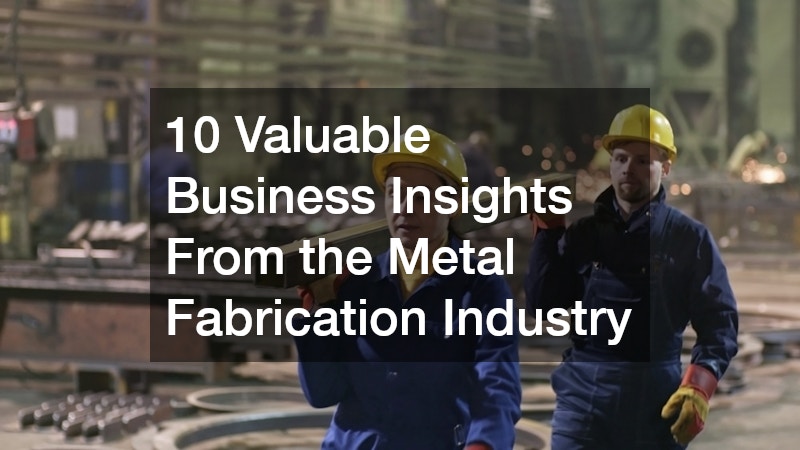
The metal fabrication industry offers far more than just production capabilities—it’s a hub of innovation, efficiency, and strategic advantage for businesses across manufacturing, construction, automotive, and specialty sectors. Understanding how this industry operates and how its expertise can be leveraged can provide valuable lessons for businesses looking to optimize operations, improve product quality, and enhance customer satisfaction.
From streamlining processes to integrating advanced technologies, the insights gained from metal fabrication practices are widely applicable to businesses in a range of industries. In this article, we explore ten actionable insights from the metal fabrication industry that every business should consider.
1. Streamlining Production With Lean Processes
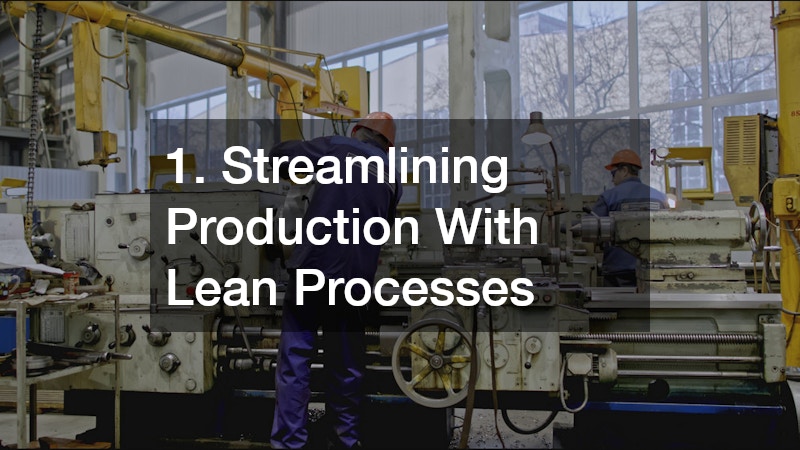
One of the most critical lessons businesses can take from the metal fabrication industry is the importance of lean production processes. Fabricators are constantly seeking ways to reduce waste, improve efficiency, and ensure precision in every stage of production. In metal parts manufacturing, even minor inefficiencies can compound quickly, leading to increased costs, longer delivery times, and potential quality issues.
Implementing lean principles starts with a thorough analysis of the production line. Identifying bottlenecks, redundant steps, or unnecessary movements allows teams to optimize workflows. Additionally, businesses can apply value stream mapping, a method widely used in metal fabrication, to visualize each step from raw material to finished product. By understanding where time and resources are being consumed, companies can redesign processes to maximize output while minimizing waste.
Beyond the factory floor, lean thinking also applies to management and communication practices. Scheduling, inventory management, and interdepartmental coordination should all align with production goals to ensure that resources are deployed efficiently. In essence, businesses that embrace the lean mindset of metal fabrication not only improve operational performance but also build a culture of continuous improvement.
2. Strengthening Infrastructure Through Specialized Fabrication
Metal fabricators focus on precision, durability, and efficiency, which are critical to ensuring the structural integrity of large-scale projects. Beyond just cutting and shaping steel, effective rebar fabrication involves anticipating project requirements, coordinating with multiple stakeholders, and integrating best practices for quality and safety. Leveraging these insights can help construction businesses save time, reduce costs, and avoid costly mistakes that compromise timelines or structural performance.
Key actionable insights from rebar fabrication include:
-
Custom Bending and Cutting: Tailoring rebar to the exact specifications of a project reduces errors during installation and minimizes material waste. Properly fabricated components also make assembly faster and more efficient on-site.
-
Quality Control: Frequent inspections and strict adherence to engineering standards ensure consistency and long-term performance. Implementing checkpoints during fabrication helps catch issues early, preventing costly rework later.
-
Scheduling Coordination: Effective planning for fabrication and delivery ensures that materials arrive on time, preventing delays in construction timelines. Integrating fabrication schedules with overall project timelines enhances workflow efficiency across all teams.
-
Material Sourcing: Building relationships with reliable suppliers guarantees consistent quality of raw steel and helps avoid production interruptions. Diversifying sourcing options can also reduce dependency on a single supplier and mitigate risk.
-
Documentation and Traceability: Maintaining accurate records for every batch of rebar helps with compliance, accountability, and future project audits. Detailed documentation also supports warranty claims and ensures clarity in multi-phase projects.
By adopting these practices, businesses involved in construction or infrastructure development can reduce risk, improve efficiency, and deliver projects that meet both safety and performance expectations. Additionally, incorporating these methods encourages collaboration across engineering, fabrication, and on-site teams, creating a more cohesive and reliable workflow that benefits all parties involved.
3. Boosting Flexibility With Strategic Outsourcing
Flexibility is a cornerstone of modern manufacturing, and the metal fabrication industry demonstrates this principle consistently through strategic outsourcing. Contract manufacturing allows companies to focus on their core competencies while leveraging specialized expertise to produce high-quality components. This approach is particularly effective for businesses facing fluctuating demand or requiring access to equipment and skills that they do not possess in-house.
Outsourcing to contract manufacturers requires careful evaluation. The selection process should consider not only cost but also the provider’s technical capabilities, quality assurance protocols, and track record of reliability. A strong partnership with a contract manufacturer can accelerate product development, expand capacity without significant capital investment, and provide access to innovative techniques that would otherwise be unavailable.
Moreover, effective communication and project management are critical. Clear specifications, timelines, and feedback loops ensure that outsourced work aligns seamlessly with a company’s production standards. Businesses that successfully integrate contract manufacturing into their operations often see improved scalability, greater agility in responding to market changes, and enhanced competitiveness.
4. Integrating Smart Technology for Competitive Advantage
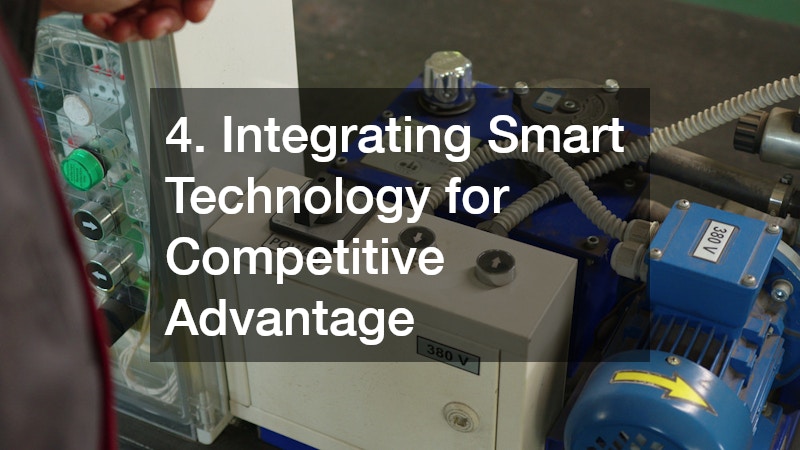
Smart manufacturing companies have been increasingly embraced in the metal fabrication sector for their efficiency, accuracy, and operational insight. Businesses looking to stay competitive can learn from these practices. Integrating these technologies requires not only investing in equipment but also aligning workflows, training staff, and creating systems for continuous improvement. Key areas to focus on include:
-
Automation: Robotic welding, CNC machinery, and automated handling systems reduce human error, improve consistency, and accelerate production. Automation also frees skilled workers to focus on more complex tasks, enhancing overall productivity.
-
IoT and Sensors: Integrating sensors on machinery allows real-time monitoring of performance, predictive maintenance, and early detection of faults. This data-driven approach minimizes downtime and helps teams respond proactively to potential issues.
-
Data Analytics: Analyzing production data helps optimize workflow, reduce downtime, and allocate resources more effectively. Insights from analytics can guide process improvements and support strategic decision-making across operations.
-
Digital Twins: Creating virtual models of production processes enables businesses to simulate changes before implementing them on the floor. This reduces risk, improves efficiency, and allows teams to experiment safely with new workflows.
-
Integrated Systems: Connecting ERP, MES, and inventory management systems ensures that every aspect of the operation communicates efficiently and accurately. Integration streamlines reporting, inventory control, and resource planning, providing managers with a holistic view of performance.
By adopting these technologies, businesses can improve decision-making, reduce costs, and maintain high-quality standards while preparing for future challenges in their respective industries. A structured approach to implementation, combined with ongoing monitoring and evaluation, ensures these technologies deliver sustainable operational benefits and measurable competitive advantages.
5. Capitalizing on Industry-Specific Distribution Networks
Distribution networks play a critical role in connecting products to the end customer, and the metal fabrication industry offers lessons in strategic network management. For example, manufactured home dealers rely on precise, timely delivery of components like framing, roofing, and support systems. Fabricators have learned to coordinate production with distribution schedules, minimizing delays and ensuring that materials are available when needed, even for large or complex orders that require careful handling.
Building strong relationships with distributors and dealers allows businesses to better forecast demand and plan production schedules accordingly. It also creates opportunities for collaborative problem-solving, such as customizing products to meet specific customer needs and adapting to sudden changes in demand. By leveraging these networks effectively, businesses can reduce inventory costs, enhance customer satisfaction, and strengthen their overall market position, ultimately supporting more reliable and scalable operations.
6. Supporting Related Industries Through Expert Fabrication
Many types of contractors, such as roofers, rely heavily on the expertise of metal fabricators to deliver high-quality, durable structural solutions. Fabricators can provide precisely cut, shaped, and finished metal roofing components that enable companies to install their products efficiently and reliably. Their contribution ensures that projects are completed with minimal waste, accurate alignment, and long-term durability, while also supporting faster timelines and consistent performance across multiple sites.
Key insights for working with contracting businesses include:
-
Custom Components: Fabricators can produce panels and fittings to exact specifications, allowing for unique designs and seamless integration.
-
Consistent Quality: Working with reputable fabricators ensures that each component meets strict durability and performance standards.
-
Project Efficiency: Ready-to-install components reduce on-site labor time and accelerate project completion.
-
Waste Reduction: Precision cutting minimizes scrap materials, lowering costs and improving sustainability.
-
Collaboration: Maintaining close communication with fabricators allows for adjustments and optimizations during the production and installation process.
By partnering with skilled fabricators, other industries can enhance product quality, streamline operations, meet client expectations, and gain a competitive edge in a demanding market.
7. Optimizing Supply Chains for Product Distribution
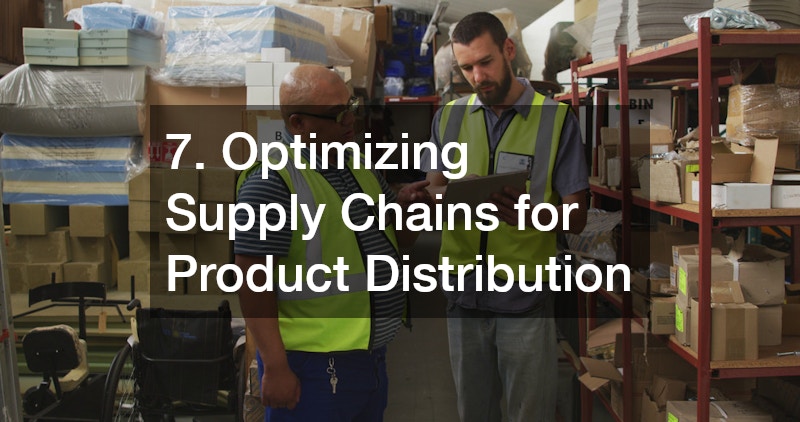
Efficient supply chain management is another area where businesses can learn from the metal fabrication industry. For fabrication companies producing or distributing high-demand materials such as pipe products, timely delivery, accurate inventory management, and proper packaging are essential to maintaining operational efficiency and customer trust. Fabricators focus on ensuring that components are produced on schedule, packaged correctly, and transported safely to their destination, even when handling complex or large-volume orders.
Understanding the importance of forecasting demand and coordinating logistics allows businesses to avoid stockouts, reduce storage costs, and maintain customer satisfaction. By adopting best practices from fabrication supply chains, companies can streamline operations, minimize delays, improve responsiveness to market changes, and ensure that production and distribution work in harmony to meet evolving customer needs.
8. Leveraging a Consistent Demand for Auto Repairs
Businesses that specialize in auto body repair are heavily dependent on metal fabricators for high-quality replacement panels, structural components, and precision parts. Without the expertise of fabricators, repair shops would struggle to meet safety standards, maintain vehicle integrity, and offer timely services to clients, particularly for complex or specialty repairs that require exact specifications.
Actionable insights include:
-
Precision Parts: Fabricators produce components that match exact specifications, ensuring proper fit and function, which reduces rework and enhances repair quality.
-
Custom Repairs: Complex or vintage vehicles often require custom-fabricated parts that repair shops cannot source from standard suppliers, enabling broader service offerings.
-
Turnaround Time: Reliable fabricators allow repair shops to complete projects more quickly, enhancing customer satisfaction and supporting efficient workflow management.
-
Safety Compliance: Using professionally fabricated metal components maintains structural safety and compliance with regulations, protecting both the vehicle and the business.
-
Partnerships: Developing strong relationships with local or specialized fabricators ensures consistent quality and availability of components, even during peak demand periods.
Auto repair businesses that leverage the capabilities of the metal fabrication industry are better equipped to handle diverse repair needs, maintain high operational standards, and consistently deliver reliable, safe, and high-quality services to their customers.
9. Navigating High-Value Markets With Confidence
Businesses dealing with high-value customers like precious metal buyers can draw lessons from the organization and precision required in metal fabrication. Fabricators handle valuable raw materials with careful tracking, quality assurance, and accountability measures, all of which are critical to maintaining trust, minimizing risk, and ensuring profitability in high-stakes markets.
Applying these principles to business operations involves establishing robust inventory tracking, secure handling procedures, and detailed documentation. Understanding market trends, pricing dynamics, supply chain considerations, and regulatory requirements also ensures that transactions are conducted efficiently and ethically. By adopting a disciplined, methodical approach, businesses can navigate complex, high-value markets with confidence, stability, and sustained success.
10. Differentiating Your Brand With Precision Services

Specialized services such as engraving demonstrate the value of precision and customization in building a business’s reputation. Metal fabricators often use these services to add unique identifiers, branding, or intricate designs to their products, providing a competitive edge in the market.
Key takeaways for businesses include:
-
Investing in Equipment: High-quality machinery ensures accuracy, speed, and versatility.
-
Staff Training: Skilled operators maximize the effectiveness of laser engraving capabilities.
-
Customization Options: Offering personalized designs or engravings can attract niche markets and enhance customer satisfaction.
-
Quality Assurance: Consistent results build trust and encourage repeat business.
-
Marketing Integration: Highlighting precision services as part of product offerings differentiates a brand and adds perceived value.
Businesses that choose to incorporate precision services into their operations not only increase product value but also strengthen brand identity and customer loyalty.
The metal fabrication industry offers a wealth of insights for businesses seeking to improve efficiency, product quality, and customer satisfaction. From lean production principles to strategic partnerships and technological integration, each lesson is directly applicable to a variety of sectors, including construction, roofing, automotive repair, and high-value materials. By examining the processes and practices of fabricators, businesses can uncover actionable strategies to streamline operations, reduce waste, and deliver superior results. In an increasingly competitive market, applying these lessons can create meaningful advantages, foster innovation, and support long-term growth.